Where the Silk Road still breathes
Turquoise lakes carved into limestone. Bazaars older than empires. A homeland of poets, herders, and mountain kingdoms — discover the landscapes and living culture that have drawn travelers along these routes for three thousand years.
Afghanistan sits where four great cultural worlds collide — Persian, Central Asian, South Asian, and the high steppe of China — a country whose landscape and culture remain as commanding as ever, three thousand years into its history on the Silk Road.
Where to begin
A few highlights to start with — see the full list of all 34 provinces for everywhere else.
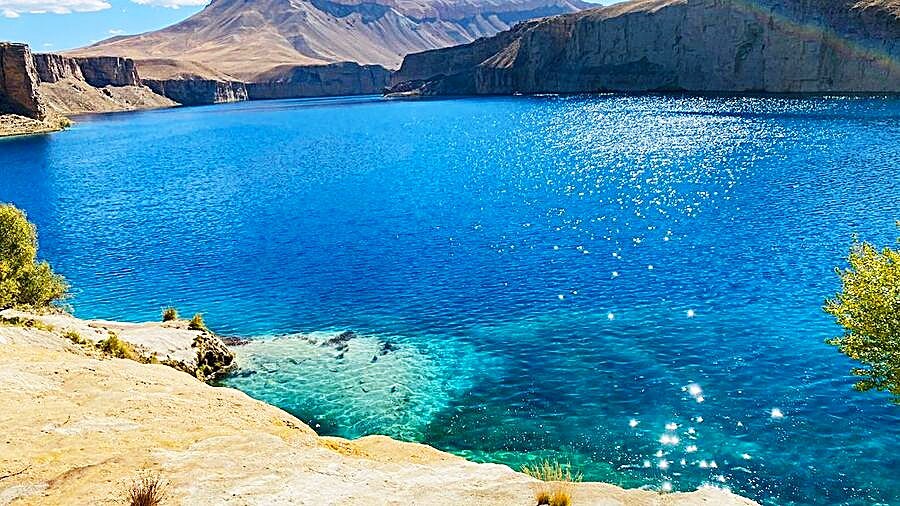
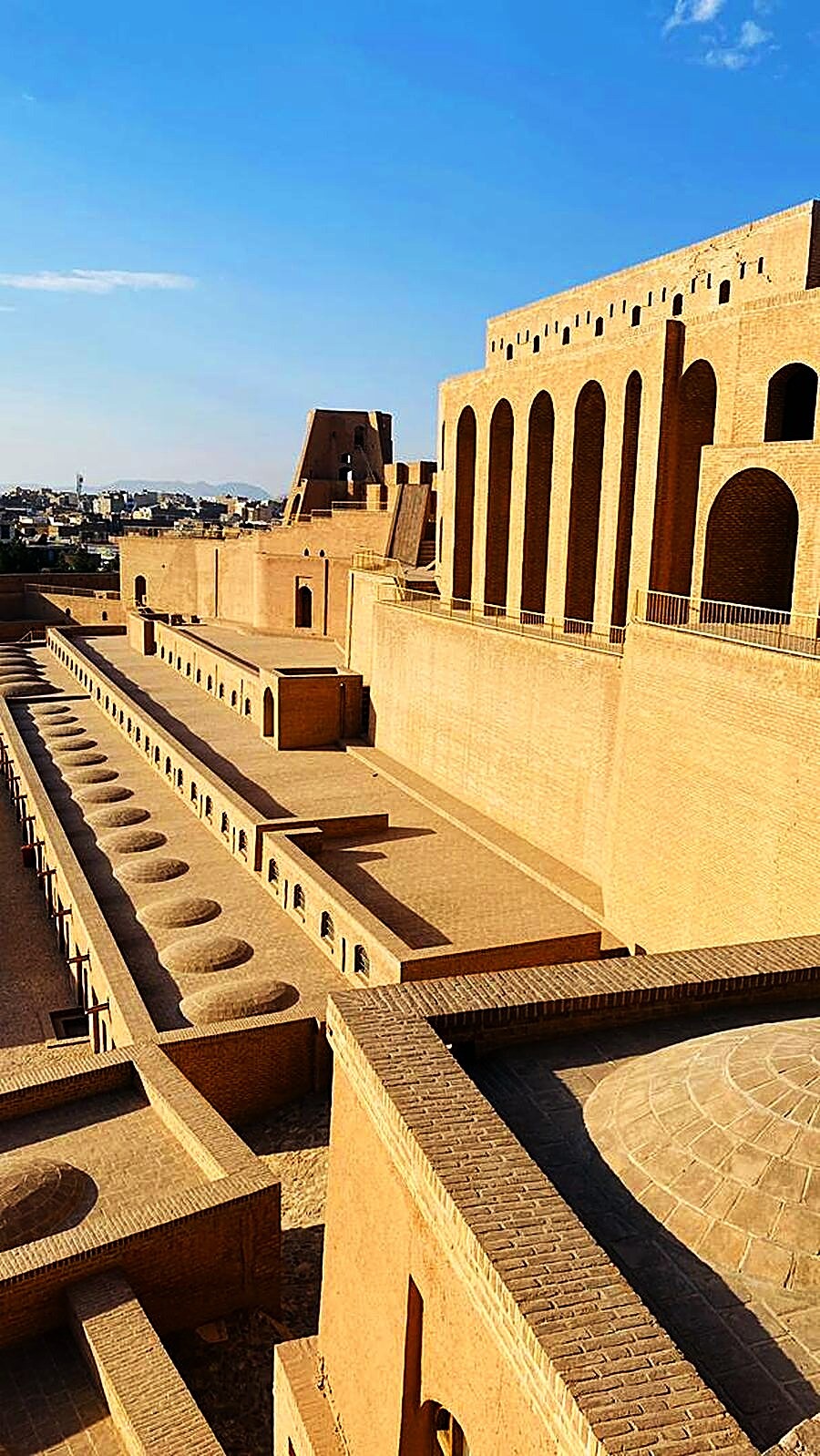
Herat
A Timurid jewel of minarets, citadels, and miniature painting traditions, at Afghanistan's ancient gateway to Persia.
Paghman
Royal gardens and a triumphal arch in the hills above Kabul, 700m higher and cooler than the city below.
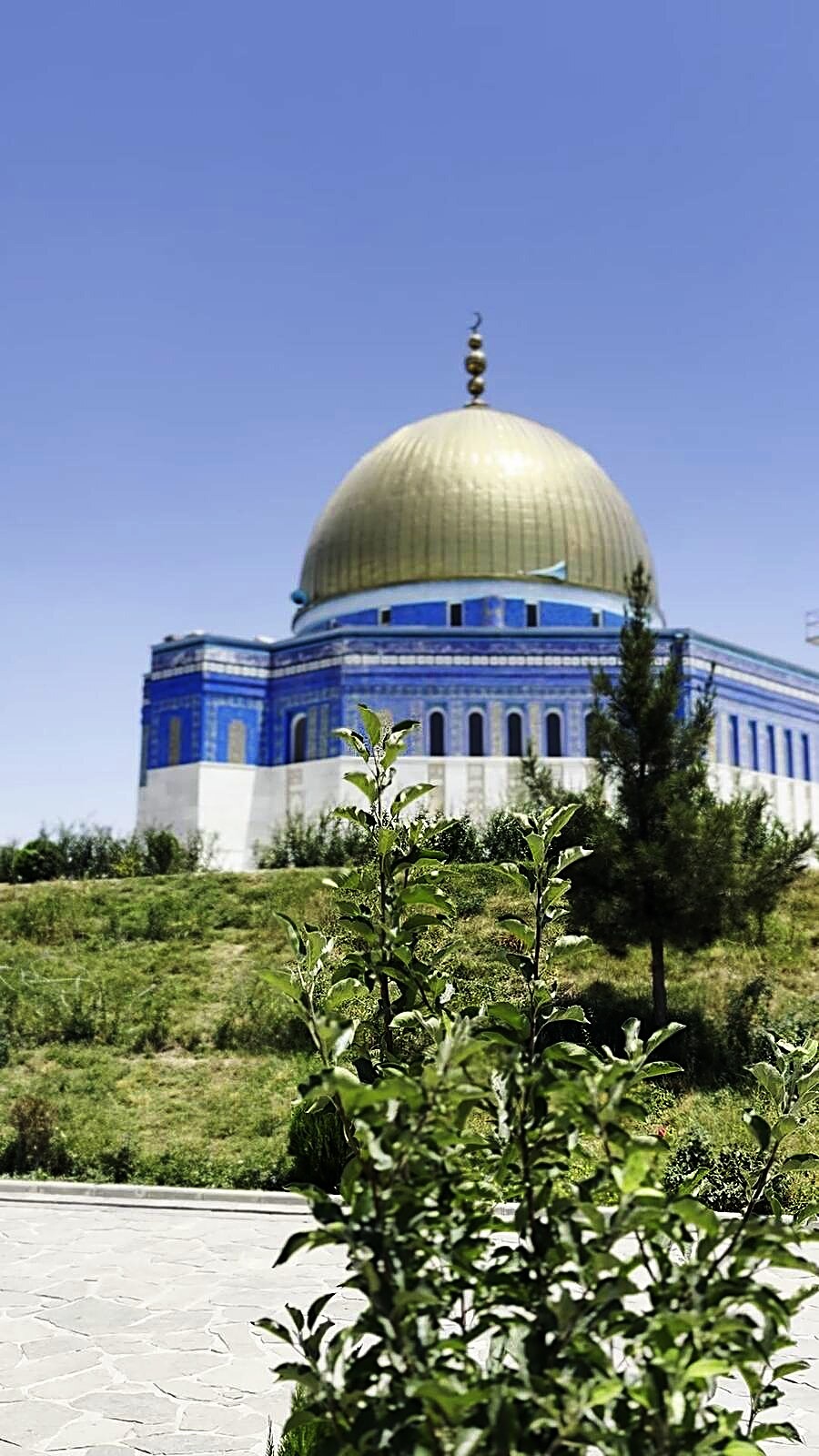
Wazir Akbar Khan
A gilded replica of Masjid al-Aqsa crowns Kabul's highest viewpoint, where the country's largest flag flies over the capital.
Bamiyan Valley
Cliffside niches once held the world's tallest standing Buddhas. The surrounding valley remains one of the country's most fertile and storied.
Central HighlandsWakhan Corridor
A narrow ribbon of high-altitude valleys reaching toward the Pamirs, home to Kyrgyz herders and some of the world's most remote trekking.
Badakhshan ProvinceKabul Old City
Layered with Mughal gardens, hillside shrines, and centuries-old bazaars, the capital carries the imprint of every dynasty that passed through.
Kabul ProvinceThings to do
From high-altitude trekking to centuries-old bazaars, Afghanistan rewards travelers who come with curiosity, patience, and a good local guide.
Trek the Wakhan Corridor
Multi-day routes through Pamir foothills, past Kyrgyz yurt camps and some of the most remote high-altitude terrain in Asia.
Visit the Bamiyan Buddha niches
Stand before the cliffside hollows that once held the world's tallest standing Buddhas, and explore the caves honeycombing the valley walls.
Browse a local bazaar
Hand-knotted carpets, raw lapis lazuli, dried fruit, and copperware — bargaining is expected, and part of the experience.
Unwind at Qargha Lake
A reservoir just outside Kabul, ringed with cafes and picnic spots — lamplit promenades, boats on the water, and views over the hills at dusk.
Visit the Green Mosque of Balkh
A 15th-century Timurid shrine complex near the Mother of Cities, named for the turquoise tilework covering its walls and dome.
Cross the Salang Pass
A dramatic Hindu Kush crossing at nearly 3,400 meters, linking Kabul to the north through a Soviet-built tunnel carved through the mountains.
A culture carried by hand
Afghan craft is functional first, beautiful by necessity — patterns and skills passed down through generations of weavers, herders, and cooks.
Carpet weaving
Hand-knotted on vertical looms, Afghan and Turkmen-style rugs encode tribal motifs that have barely changed in centuries.
Buzkashi
A fierce, centuries-old horseback sport — riders compete to carry a goat carcass across a goal line, often called the original polo.
Poetry
Ghazals and oral verse remain a living, spoken art — recited at gatherings and passed down as much through memory as the page.
Hospitality & tea
A guest is an honor, not an interruption. Green tea arrives before anything is asked of you, and a table follows — qabuli palaw, mantu, fresh naan from a clay oven. The tea is refilled until you turn the cup over.
The Afghan calendar
Best visited in spring or early autumn, when Nowruz celebrations and harvest festivals bring the country's seasonal rhythms to life.
See the full calendar →Nowruz — Persian New Year
Marked nationwide at the spring equinox, with a 40-day tulip festival following in Mazar-i-Sharif.
Kuchi spring migration
Nomadic herding families move flocks toward highland pastures across the central provinces.
Pomegranate season
Kandahar's orchards produce some of the region's most prized pomegranates through autumn.
Easier to visit than you'd expect
Visas, flights, safety, getting around — everything you need to plan a trip is in one place. Conditions can change, so check advisories as you plan and travel with specialists who know the ground.
See the full planning guide →Check advisories first
Review your government's current travel advisory before booking anything — conditions vary significantly by region and change without much notice.
Visas & documentation
Visas are generally arranged in advance through an Afghan embassy or consulate; requirements and processing times vary by nationality.
Travel with a specialist
The simplest and safest way to go. Specialist operators handle permits, local guides, and route planning for the regions currently open to visitors — so you can focus on the experience.
Dress & conduct
Modest dress is expected for all visitors. Rules differ for women under current Taliban governance — research specific, current requirements closely.
Itineraries
Need a plan? From a 5-day highlands loop to a 14-day Wakhan trek — see three starting points built around the destinations above.
See itineraries →"Band-e-Amir is unlike anywhere else I've stood — the color of the water doesn't look real until you're in it."
Read more accounts →Supporting communities on the ground
From orphan support to water wells and women's sewing centers, a share of what this project stands for goes toward organizations working directly with Afghan communities.
Before you go
Recent travelers and specialist operators generally report calm, hospitable conditions on the ground in areas open to tourism. Check current advisories and travel with an experienced operator who monitors conditions closely.
Visas are generally arranged in advance through an Afghan embassy or consulate, and requirements vary by nationality. Specialist tour operators typically assist with the paperwork and any required permits. See our Plan a Visit page for more.
Spring (April–June) and early autumn (September–October) offer the mildest weather across most of the country. Winters are harsh and can make mountain regions like Bamiyan or the Wakhan Corridor inaccessible.
The Afghan afghani (AFN) is the local currency. Card payments and ATMs are unreliable outside major cities, so carrying cash — often US dollars to exchange locally — is standard practice.
Modest dress is expected of all visitors. Requirements for women are more extensive under current Taliban governance and can vary by region — research specific, current rules closely before traveling, ideally through your tour operator.
Independent travel is possible, but comes with logistical constraints. Most visitors travel with a specialist operator who arranges permits, local guides, transport, and accommodation for the regions currently open to tourism — and for the best experience, a specialist operator is recommended.
Get new itineraries and travel notes
Occasional emails on new destinations, safety updates, and stories from the ground. No spam.
A landscape worth understanding, however you travel it
Whether from a screen or in person, Afghanistan rewards patience and curiosity in equal measure.
Back to the beginning ↑